The Ultimate Guide to Professional Product Photography 2026
Discover everything you need to know about professional product photography in 2026. From best techniques and gear to editing and industry trends, this comprehensive guide empowers you to elevate your ecommerce imaging.
Advertisement
Why Professional Product Photography Matters More Than Ever
In 2026, professional product photography is a crucial investment for brands looking to stand out in crowded digital marketplaces. Studies show that 93% of online consumers consider visual appearance a key factor in purchasing decisions. High-quality images can increase conversion rates by up to 30%, making photography one of the most cost-effective ways to maximize ROI for your ecommerce or B2B business.
With rapidly evolving technology and higher consumer expectations, simply snapping a quick photo with your phone is no longer enough. Whether you're launching a new ecommerce brand or updating an established catalog, understanding the essentials of product photography is critical to your bottom line in 2026.
Key Trends Shaping Product Photography in 2026
- AI-Assisted Retouching: Automation tools now streamline post-production, enhancing image consistency and speed.
- 3D Renders and Photorealism: The line is blurring between photography and hyper-realistic digital imagery for prestigious catalogs.
- Interactive 360° Views: Consumers expect to interact with products from all angles, especially in luxury and tech verticals.
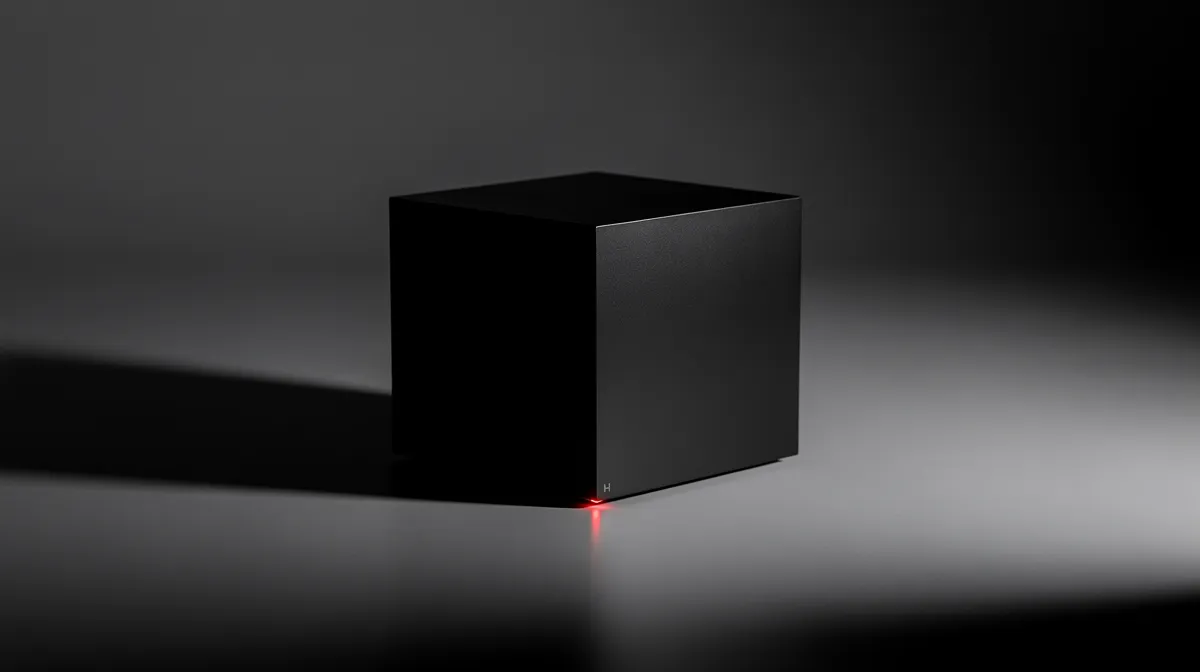
- Minimalist Styling with Powerful Lighting: Clean, dramatic lighting draws attention to product quality and detail, inspired by Apple and high-end design brands.
- Sustainability and Authenticity: Natural textures, eco-friendly props, and unfiltered looks resonate with ethically-minded buyers.
Incorporating these trends ensures that your product photography remains fresh and resonant, helping you stay competitive in shifting digital markets.
Essential Gear for Professional Product Photography
Cameras and Lenses
The backbone of any great studio is a high-resolution camera system. In 2026, leading choices include mirrorless powerhouses like the Sony Alpha series, Canon R5, and medium-format systems such as the Hasselblad X2D. Look for cameras with at least 40MP for crisp online retail, print, and ad shots.
- Prime Macro Lenses: 80mm to 120mm macro lenses excel for sharpness and shallow depth of field.
- Standard Lenses: 50mm and 85mm primes deliver distortion-free, natural representations—ideal for lifestyle setups.
Lighting Solutions
Consistent, soft lighting is essential. In 2026, advanced LED panels with variable temperature and smart control are industry standard. Popular choices include the Aputure Light Storm series and Nanlite Forza range—both offer broad output and stunning color accuracy. Use modifiers like softboxes, umbrellas, and strip banks for diffused, shadow-free product shots.
Backgrounds and Surfaces
White seamless paper remains a staple, but textured backgrounds (like hand-painted canvas, rustic wood, or polished acrylic) help products stand out. For reflective or intricate products, consider acrylic risers, turntables for 360° views, and anti-reflective glass shooting surfaces.
Tripods and Support
Rock-solid tripods, like the Manfrotto 055 series, minimize shake and allow for precise composition. Overhead booms and copy stands are ideal for flat lays and hero shots. Remote triggers reduce vibration, ensuring maximum sharpness at all times.
Mastering Lighting Techniques for Impactful Product Photos
Lighting can transform ordinary products into aspirational icons. Here are several key setups:
- Single Soft Light: Position a large softbox at 45° for classic, even illumination—ideal for ecommerce listings.
- Backlighting: Adds edge definition and emphasizes transparency for items like bottles or glassware.
- Accent Lighting: Use narrow strip lights or grids to highlight chrome, textures, or logos without introducing glare.
- High-Key and Low-Key Looks: High-key for clean, modern presentations; low-key for drama and exclusivity.
When shooting reflective products or complex detail, employ polarizing filters and flags to control reflections and ensure the focus remains on your product. Consistent white balance and controlled shadow depth maintain brand image across catalogs.
The Step-by-Step Workflow: From Shoot to Export
Pre-Production and Planning
Begin by defining your visual goals: Are you aiming for minimalism, storytelling, or lifestyle authenticity? Prepare your shoot list, choose relevant props, and sketch lighting diagrams if needed. Consistency across your line strengthens your brand identity.
The Shoot: Capturing Excellence
- Setup: Arrange backgrounds, set your lighting, and secure your camera at the correct angle.
- Styling: Clean and polish products, arrange props sparingly, and check for stray dust or fingerprints.
- Test Shots: Take a variety of exposures and angles. Analyze the histogram and focus peaking to ensure technical perfection.
- Multiple Angles: Capture classic angles (front, side, back, top), plus close-ups of critical features.
Advertisement
Post-Production
Professional editing tools—Adobe Lightroom, Photoshop, and AI-driven apps like Luminar Neo—empower you to enhance image sharpness, remove blemishes, and optimize backgrounds. Many top studios now use AI batch editing to standardize exposure and color profiles, ensuring all SKUs look consistent in large catalogs.
- Background removal: Use masking tools or AI cutouts for seamless white or transparent backgrounds.
- Retouching: Remove dust, scratches, or manufacturing flaws while maintaining authenticity.
- Color correction: Set accurate color profiles for web, print, and advertising.
- Export settings: Optimize image resolution (typically 2000px minimum on the long edge) and file size for fast loading.
Product Photography for Ecommerce: Best Practices in 2026
- Consistent Aesthetics: Uniform lighting, backgrounds, and angles build buyer confidence and strengthen branding.
- Multiple Angles: Offer shoppers various perspectives—front, side, details, and in-use shots—to reduce uncertainty.
- Mobile-First Cropping: Ensure images are tightly cropped and optimized for mobile screens, which now drive over 70% of online sales.
- Fast Load Times: Compress images without sacrificing quality for instant loading—1 in 2 buyers will leave a slow site.
- Standards Compliance: Adhere to platform guidelines (Amazon, Shopify, WooCommerce), or risk being delisted.
Professional product photography delivers lasting value by improving engagement rates. A/B testing images via analytics platforms, or using content optimization strategies, can further refine what drives conversions for your audience.
Case Studies: Product Photography Done Right
Case Study 1: D2C Skincare Brand
A direct-to-consumer skincare startup partnered with a professional studio to overhaul their product gallery. Using minimal, high-key lighting and AI-powered retouching, they saw a 34% increase in add-to-cart rates. Key factors included consistent glass reflections, natural skin textures in lifestyle shots, and rapid post-production workflow to support inventory updates.
Case Study 2: Tech Accessories Shop
An electronics retailer used 360° product spins and close-up macro shots to detail material textures and port layouts. Customers reported higher trust, and product returns decreased by over 15%. The integration of professional photography & videography services extended into social campaigns, creating unified branding across platforms.
Case Study 3: B2B Industrial Supplier
A B2B industrial supplier refreshed their catalog, blending dramatic hero shots with interactive 3D renders. This dual approach helped them win major procurement deals, as clients could inspect details with high accuracy, reducing buyer hesitation and shortening sales cycles.
How to Hire the Right Product Photographer or Studio
- Portfolio Diversity: Review past work across categories similar to yours—look for consistency, technical mastery, and creative styling.
- Technical Capability: Ensure access to professional cameras, lighting, AI editing solutions, and studio facilities.
- Workflow Transparency: Ask about turnaround times, approval processes, and post-delivery support.
- Strategic Input: A great studio doesn’t just shoot; they consult on creative direction and content strategy.
- Reviews and References: Gather feedback from past clients, and examine before/after galleries to assess the value delivered.
The decision to invest in professional services can save time, improve consistency, and ultimately deliver better commercial results. Consider consulting a custom software development expert to integrate AI-powered image management into your workflow as your visual assets scale.
Future-Proofing Your Product Photography in 2026 and Beyond
As virtual and augmented reality shopping experiences gain traction, high-fidelity images and 3D assets become central to every product strategy. Studios are increasingly offering 3D scanning, photogrammetry, and hybrid photography/rendering packages as standard. Brands with robust image archives and standardized workflows will enjoy a competitive edge in digital marketing and sales.
Professional product photography isn’t just about pretty pictures—it’s about storytelling, technical rigor, and aligning every image with your conversion goals. In 2026, those who master both the art and the science of product imaging will define tomorrow’s leading brands.
FAQs: Professional Product Photography
-
What camera should I use for professional product photography?
For 2026, high-resolution mirrorless cameras like the Sony Alpha or Canon R5 are excellent choices, especially when paired with macro lenses. Medium-format cameras, such as the Hasselblad X2D, offer unparalleled detail for premium catalogs. Always prioritize optics and stabilization for sharpness. -
Can AI really replace manual photo editing?
AI-driven editing tools have dramatically improved, especially for batch processing, background removal, and retouching. However, manual oversight remains vital for fine details, creative decisions, and maintaining natural product appearance. The best results blend automation and human expertise. -
How do I prepare products for a photo shoot?
Preparation is key: Clean products thoroughly, remove labels or fingerprints, and choose appropriate props and backgrounds. Prepare a shot list and have necessary tools (like tweezers or gloves) on hand to avoid last-minute issues. Consistency in preparation ensures faster post-production. -
How many product photos do I need for ecommerce?
Most online retailers recommend 4-8 high-quality images per product, covering front, side, back, detail, and in-use or lifestyle angles. For high-ticket items, consider 360° spins and close-ups to address potential buyer concerns. The more comprehensive your visuals, the lower the rate of returns and abandoned carts. -
What’s the ROI of investing in professional product photography?
High-quality images drive higher conversion rates, lower return rates, and improved brand trust. For ecommerce, studies show conversion increases of up to 30%. The investment pays ongoing dividends by increasing both online and offline sales performance.
Ready to Elevate Your Brand?
Exceptional product images set your brand apart—and MK Studio’s team of professional photographers and content strategists can help you create visuals that drive engagement and trust. Explore our Product Photography services to level up your next launch.
Advertisement
Written by MK Studio
Advertisement